Radiology
Radiology Review: AIIS Avulsion Fracture

Sport and Exercise Physician | Managing Director
Published
November 1, 2026
Sport and Exercise Physician | Managing Director
Published
November 1, 2026
Acute hip pain in adolescent athletes is not always the result of a muscle strain. Avulsion fractures around the pelvis can occur ensuring explosive movements such as sprinting or kicking, often causing immedicate pain and an inablility to continue playing.
Recognising these injuries early is important for accurate diagnosis and appropriate management, helping young athletes recovery and safely return to sport.
A 14-year-old male football player presented following an accurate onset of anterior hip pain provoked by kicking a football. It was immediately painful and he could not continue.
On examination the player walked with an antalgic gait and his symptoms were provoked with resisted hip flexion. He had localised tenderness about the anterior hip.
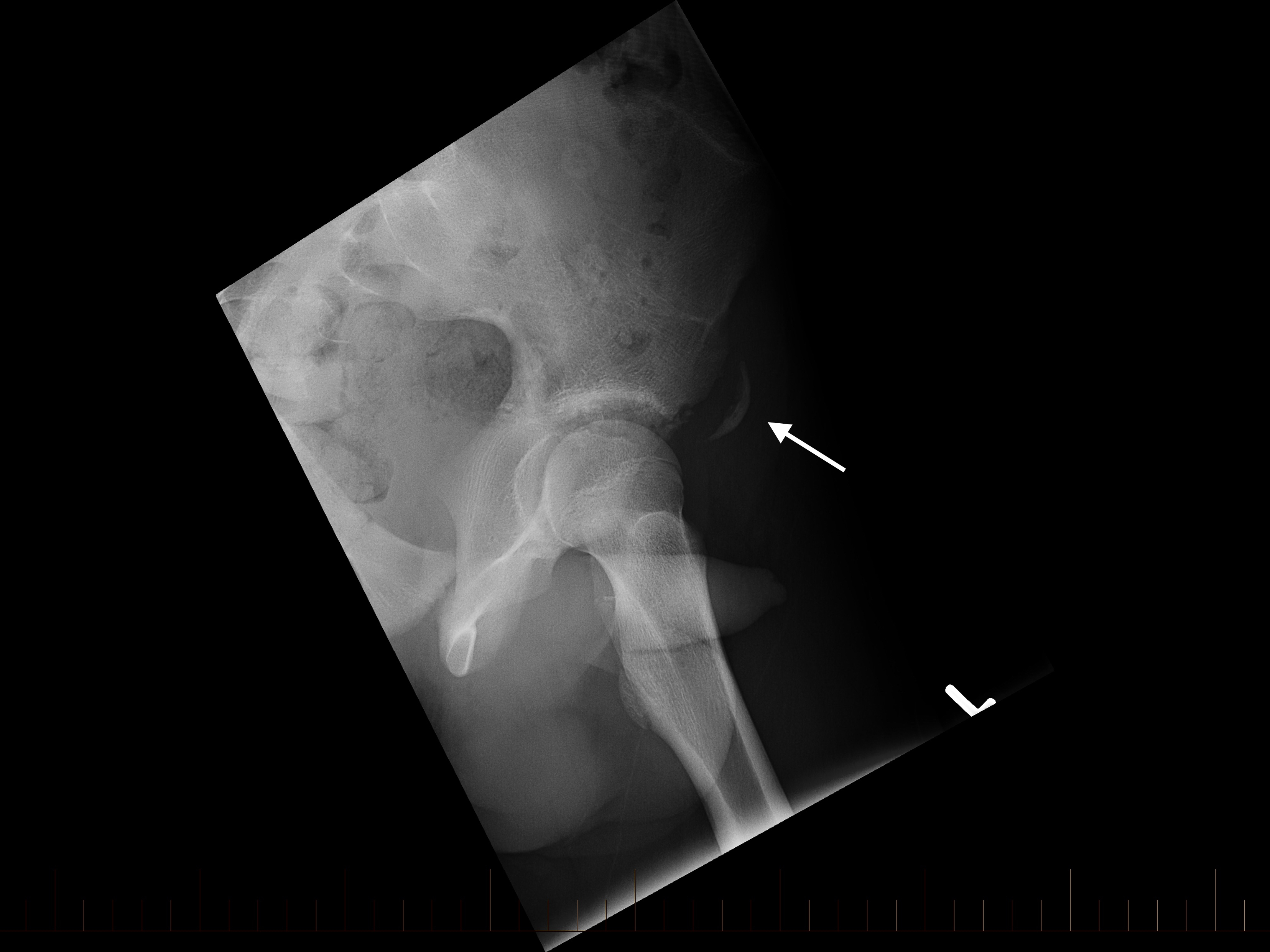
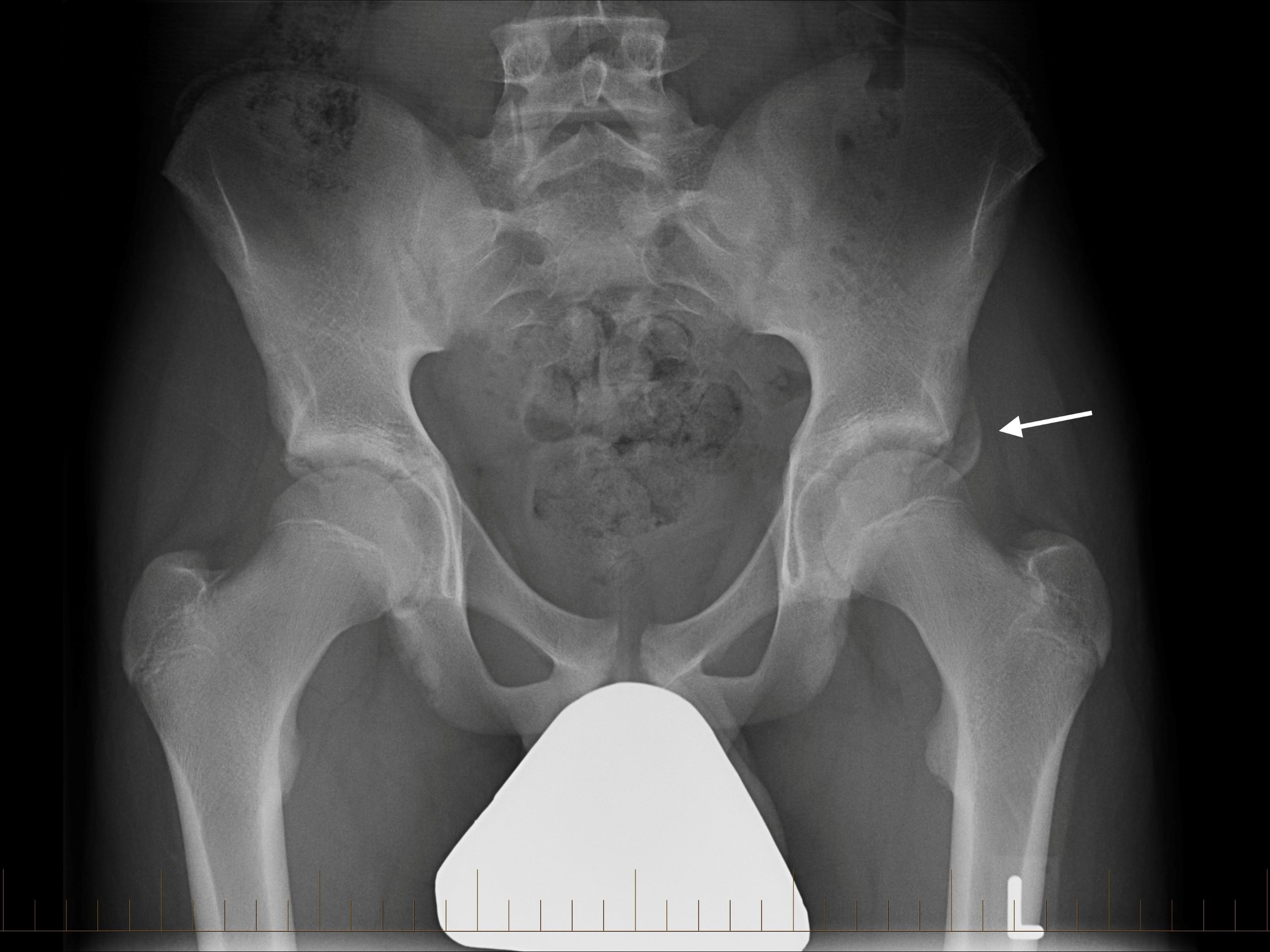
An avulsion fracture from the anterior inferior iliac spine (AIIS) was well demonstrated on an AP and oblique x-ray view.
The AIIS is the site of origin of the head of the rectus femoris. This patient was diagnosed with an avulsion fracture. The player was managed with a short period on crutches, early movement and analgesia. As his symptoms imptove4d he was able to progressively return to activity over an eight-week period.
Acute apophyseal injuries often occur around the hip. Common sites are the AIIS (sartorius), AIIS (rectus femoris) and occasionally the ischial tuberosity (hamstrings). These injuries generally occur during sprinting or with kicking a ball. They are usually very painful
X-rays generally demonstrate the fracture well, however if the initial images are unremarkable, they may be repeated after 10 days. If the diagnosis remains unclear a clinician may elect to treat the patient, or to confirm the diagnosis with an MRI.
In adolescent players, these fractures are the equivalent of an acute muscle strain. The treatment is generally identical to that for a muscle strain in an adult. This generally involves treating symptoms, relative rest and a progressive increase in activity.
The prognosis is generally very good after adequate treatment. Reattachment of the avulsed fragment is rarely necessary. Ischial tuberosity fractures are the only real exception as they may be at an increased risk of non-union. Avulsions from this site may be managed surgically when there is a seperation of fragments of 2cm or more.