


News
Behind the Scenes at the FIFA World Cup

Sport and Exercise Physician | Managing Director
Published
July 1, 2026
Sport and Exercise Physician | Managing Director
Published
July 1, 2026
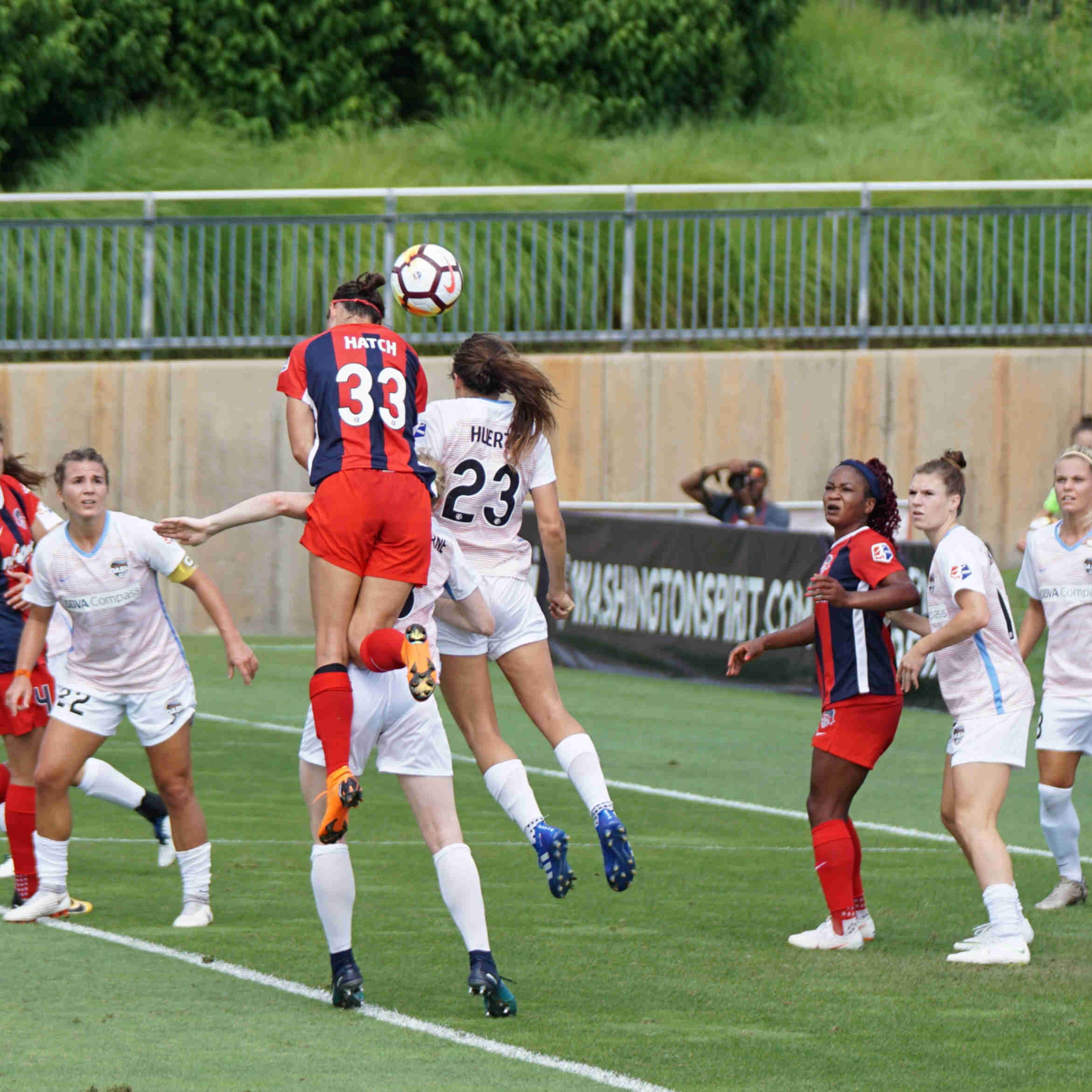
Every four years the world's attention turns to the FIFA World Cup. This year, Kiwis had even more reason to follow the tournament, with the All Whites returning to the competition. While literally billions of people watch the matches, very few consider the doctors, physiotherapists and other clinicians working quietly behind the scenes to keep players healthy and the tournament running safely.
By the time the opening whistle blows, the medical work has already been underway for months. Team medical staff have reviewed medical histories, coordinated with players' clubs, planned travel and recovery, prepared for different climates and time zones, and developed contingency plans for everything from illness to serious on-field emergencies. Every detail is designed to maximise player availability and ensure athletes can perform at their best when it matters most.
These roles extend well beyond treating injuries. Every day involves conversations with coaches, players and their clubs, weighing up risk, monitoring recovery and making decisions that balance performance with long-term health.
One of the biggest challenges at international tournaments is ensuring that everyone is working from the same information. National team medical staff work closely with players' clubs before, during and after tournaments so that injuries, rehabilitation plans and training loads are coordinated. Within the teams itself, communication between coaches, performance staff and medical staff is also very important.
The UEFA Elite Club Injury Study has shown that high-quality communication within multidisciplinary teams is associated with lower injury burden and greater player availability. In elite sport, good communication is often just as important as good medicine.
Clinical governance is just as important as clinical care. In football, the FIFA medical committee has helped create processes around concussion, emergency preparedness, heat management, cardiac care and player welfare, helping ensure that every team has access to consistently high standards of medical support.
A recent example is the FOCUS programme, which provides football-specific guidance to improve the recognition and assessment of head injuries on the field. Members of the Axis team helped develop the programme and pilot it through the Oceania Football Federation before its wider international implementation. It is one example of how clinicians can translate emerging evidence into practical tools that improve player safety around the world.
Axis Sports Medicine is proud to support Kiwi players competing on football's biggest stage, with Axis involvement extending across the FIFA World Cup and other international football competitions.
Dr Simon Kim is currently working with the All Whites as Team Doctor, supporting New Zealand's players throughout the tournament. Dr Mark Fulcher is the Deputy Chair of the FIFA Medical Committee, helping oversee medical standards across the competition, while Dr Julie Shamlaye, and Axis Alumna, is also a member of the committee.
Members of the wider Axis team have also served as team doctors, match doctors and in governance roles at the Olympic Games, FIFA age-group World Cups, Beach Soccer World Cups and other international football competitions. Whether working with athletes on the pitch or contributing to the systems that support them, the focus remains the same: helping players stay healthy, recover well and perform at their best.
One of the greatest benefits of these experiences is not just being part of a World Cup, it is bringing the lessons learned home. Working alongside colleagues from around the world exposes clinicians to new evidence, different healthcare systems and fresh ways of solving familiar problems.
Those experiences influence the care we provide every day at Axis. While most of our patients will never play in front of 80,000 fans or a global television audience, they deserve the same considered decision-making, collaboration and attention to detail. Whether the goal is returning to international football, social football, work or simply enjoying an active life, the principles of good care remain the same.


