


Concussion
Why early referral matters after concussion

Sport and Exercise Physician | Managing Director
Published
January 30, 2026
Sport and Exercise Physician | Managing Director
Published
January 30, 2026
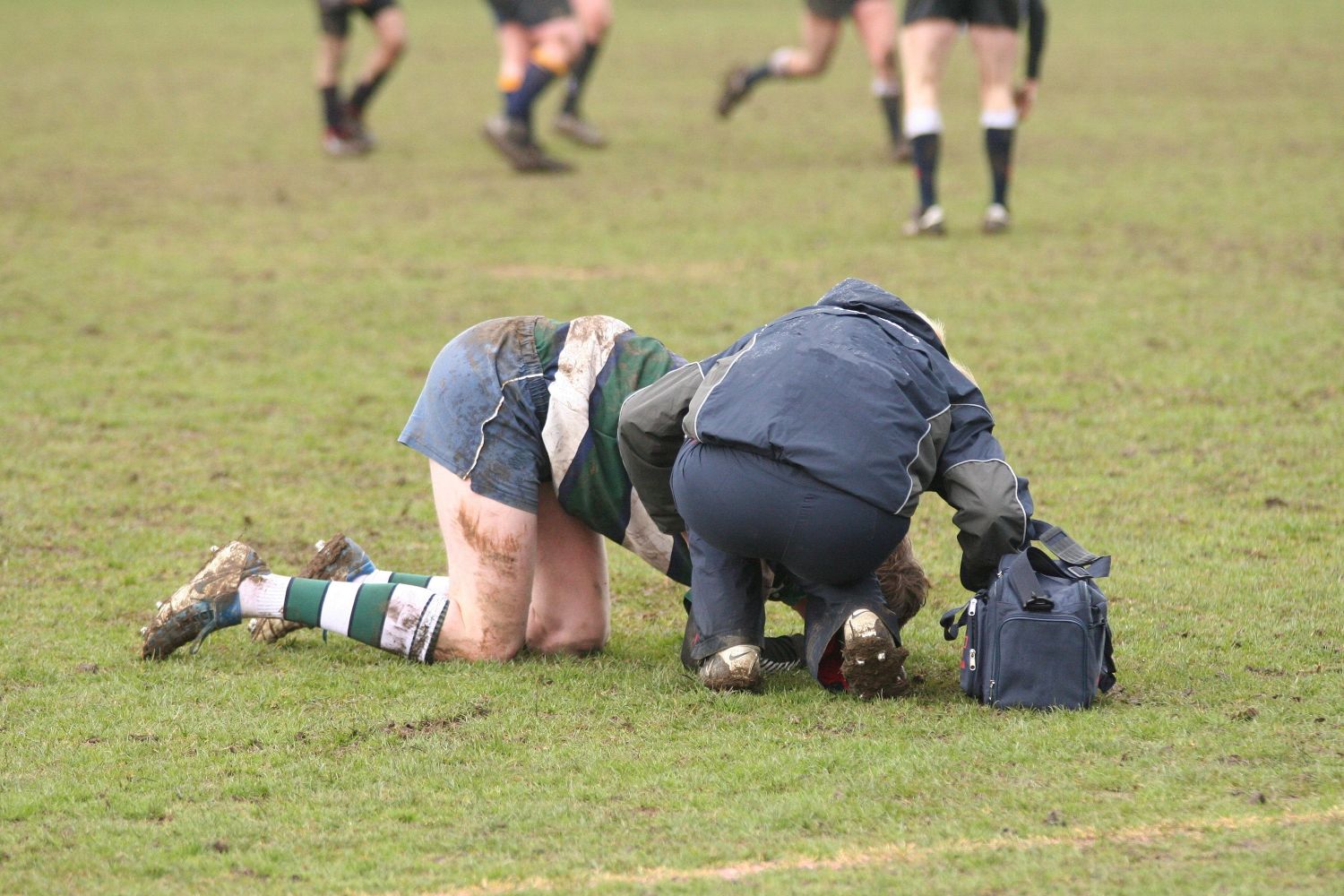
Most people who sustain a concussion have a predicable recovery with the key treatments being a short period of relative rest, advice and reassurance. That message remains important and accurate. The challenge in day-to-day clinic practice is identifying early on the subgroup of people who are unlikely to follow that straightforward recovery pathway. For these patients, waiting to see how things progress can allow symptoms to become established and recovery to become slower and more complicated than it needs to be.
Structured symptom screening tools are increasingly helpful in guiding early treatment decisions. One such tool is the Brain Injury Screening Tool, or BIST, which was developed in New Zealand to support early identification of people at risk of prolonged recovery following a mild traumatic brain injury. Clinicians from Axis were involved in the development of the BIST, and it is now widely used across emergency departments, primary care, and ACC funded services. At Axis, the BIST is completed for all patients seen through our Concussion Service.
What distinguishes the BIST from many other concussion tools is that it is not simply a symptom checklist. In addition to measuring symptom burden, it includes a decision tree that helps guide next steps based on symptom severity, red flags, and functional impact. Rather than being used only for documentation or monitoring over time, it supports active clinical decision-making. This includes when reassurance is appropriate, when follow up is needed, and when referral or escalation of care should be considered. This practical focus makes it particularly useful in frontline settings where clarity about what to do next is essential.
Research involving the BIST consistently highlights that symptom load matters. Patients who report a high number of symptoms, or more severe symptoms, in the first days after injury are most likely to experience delayed recovery. This is especially true when symptoms extend beyond headaches and include dizziness, balance disturbance, visual sensitivity, cognitive slowing, sleep disruption, mood changes, or significant fatigue. These patterns often reflect involvement of multiple systems, including the cervical spine, vestibular and visual pathways, autonomic regulation, and psychological response, rather than a single isolated injury process.
From a clinical perspective, this is where early referral becomes important. High BIST scores should prompt clinicians to move away from passive observation and towards early, active management. Referral to a specialist concussion service allows for a more detailed assessment of the factors driving symptoms, and the introduction of targeted interventions while recovery is still in an early and adaptable phase. In many cases, this approach can shorten overall recovery time and reduce the risk of symptoms becoming persistent.
There are several situations where early referral should be considered even when the initial injury appears uncomplicated. A high total symptom score on the BIST in the first few days is one example. Prominent dizziness, visual disturbance, or balance problems are another, particularly when these symptoms interfere with work, school or daily activities. Significant sleep disturbance, migraine-type headache, or early anxiety about symptoms can also signal that additional support would be helpful sooner rather than later. A history of previous concussions, especially where recovery was prolonged, should also lower the threshold for referral.
It is important to emphasise that early referral does not mean over medicalising concussion. In many cases, it simply allows people to receive clearer guidance, reassurance, and structure around activity, exercise, work and sport. Contemporary concussion management is no longer based on enforced rest. Instead, it focuses on early, symptom limited activity, graded exercise and targeted rehabilitation when required. Specialist input can help strike that balance, particularly when symptoms are more than mild or recovery is not progressing as expected.
Another practical consideration is accessibility. Referral to a concussion service does not require abnormal imaging, nor does it depend on scan findings. A normal CT or MRI is expected in concussion and should not delay referral when symptoms burden is high or functional impact is significant. Clinical presentation and recovery trajectory remain far more important than imaging results.
From a broader systems perspective, early identification and referral also align well with ACC's emphasis on timely intervention and functional recovery. Addressing issues early can reduce time away from work or sport and may limit the need for more intensive input later. Tools like the BIST are not just screening measures. They are designed to support better clinical decisions. When symptom burden is high, early referral is often a sensible and proactive step. For patients, it can mean clearer explanations, a more confident recovery plan, and less uncertainty. For clinicians, it provides reassurance that those at higher risk are receiving timely and appropriate care.
Referral to the Axis Concussion Service is straightforward and can be made at any stage where recovery is not tracking as expected. We are happy to see patients from all backgrounds, not just those with sport-related injuries. We are happy to see patients from all backgrounds, not just those with sport-related injuries.
A formal specialist referral or abnormal imaging is not required. Patients can be referred directly from general practice, emergency departments, physiotherapy or other health providers, including for non-sport related concussions such as falls, work injuries, or motor vehicle crashes. Our service uses the BIST for all patients, alongside a comprehensive clinical assessment, to guide early management and ongoing care.
Early referral allows timely advice, targeted rehabilitation, and clear guidance around return to work, school and sport, with the aim of supporting confident recovery and reducing the risk of ongoing symptoms.


