


Concussion
Why Concussion Recovery Takes a Team

Sport and Exercise Physician | Managing Director
Published
July 1, 2026
Sport and Exercise Physician | Managing Director
Published
July 1, 2026
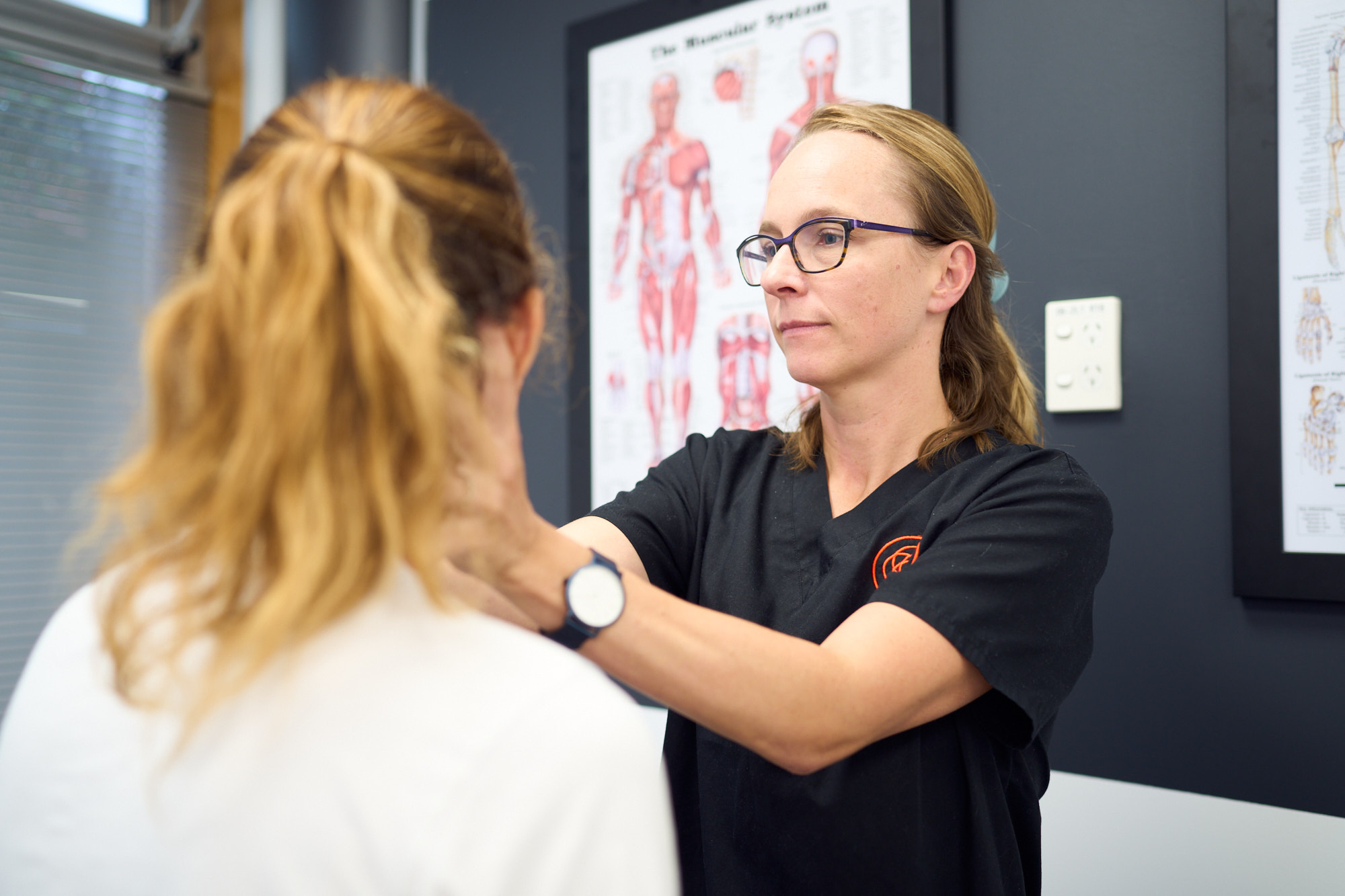
Concussion is rarely a one-size-fits-all injury. While many people recover quickly, others experience persisting symptoms that affect work, study, sport and everyday life. Helping those patients recover generally requires more than a single consultation.
Until very recently, the perception was a concussion was a self-limiting problem, and that the best treatment was rest. In reality, concussion can impact multiple body-systems and can cause a wide range of symptoms including impaired balance, vision, sleep, mood, exercise tolerance, concentration and confidence. These symptoms generally benefit from more active treatment, and it is now known that prolonged rest and inactivity can be counterproductive and can lead to harm.
At Axis, our concussion care brings together a range of concussion experts including physicians, physiotherapists, occupational therapists, psychologists and neuropsychologists. Each clinician contributes a different perspective (aligned with the same understanding of gold standard care), allowing rehabilitation to be tailored to the individual rather than following a standard recipe.
Every member of our concussion team has undertaken advanced training in concussion and brain injury management and works with these types of patients every day. This depth of experience allows us to recognise the many different ways concussion can present and adapt treatment to the needs of each individual.
Education and research are also central to how we practice. Several members of our team are actively involved in advancing concussion care nationally and internationally. Specialist physiotherapist Katherine Forch has extensive expertise in concussion rehabilitation, and both her and Rebecca Blyth are both undertaking PhD research in concussion, with Rachel Skilling currently doing her Masters.
Members of our medical team, including Dr Stephen Kara, Dr Mark Fulcher and Dr Amitesh Kumar, have published peer-reviewed research on concussion based on data from our clinic and have helped shape the evidence that guides clinical practice both in New Zealand and internationally. This commitment to research means our patients benefit from care that reflects current evidence rather than outdated approaches.
Our clinicians work together in dedicated concussion hubs, where collaboration is part of everyday practice. Every week the team meets face-to-face to discuss patients, review progress and refine management plans. These discussions are supported by shared clinical records and regular informal conversations throughout the week.
This collaborative approach helps identify barriers to recovery early and allows rehabilitation plans to evolve as patients progress.
Another key ingredient is time. General Practitioners play a vital role in the assessment and management of concussion, often as the first clinician patients see. However, they are working within an increasingly stretched healthcare system, where short appointments, heavy workloads and funding constraints can make the frequent review and coordination that some concussion patients require, difficult to provide.
Within our concussion service, every patient is allocated a key worker who helps coordinate their recovery and provides a consistent point of contact throughout their rehabilitation. Most patients benefit from regular review, a structured rehabilitation programme, reassurance and carefully graded progression back to school, work, exercise and sport.
This support helps avoid the common "boom and bust" cycle, where patients feel better, do too much, experience a flare-up of symptoms, and then require a longer period to recover.
Concussion management has evolved enormously over the past decade. We now understand that prolonged rest is rarely the answer and that active, individualised rehabilitation often produces better outcomes.
By combining specialist expertise, collaborative care, time and evidence-based rehabilitation, our aim is to help every patient recover safely and return with confidence to the activities that matter most.


