


Insight
Club to Country: The Importance of Continuity of Care in Rugby League

Sport and Exercise Physician | Managing Director
Published
November 1, 2026
Sport and Exercise Physician | Managing Director
Published
November 1, 2026
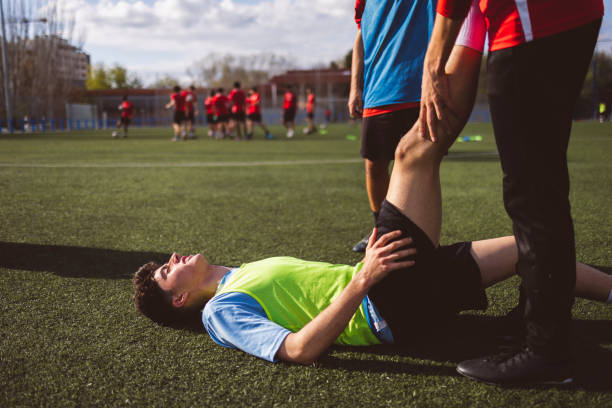
The Rugby League World Cup brings together players from clubs around the world, each with different preparation, injuries and recovery needs. Coaches and fans want to see them perform on the biggest stage. Clinicians share that ambition, however protecting players' wellbeing and preparing them to perform are the key objectives.
Good communication between club and national team staff is important as this helps identify each players individual needs. Getting this right supports healthier players and better performances, something players, clubs, national teams and fans all want.
During the season, regular training and matches maintain exposure to high-speed running and contact. For some players entering World Cup camps, that routine has been interrupted for several weeks. Managing their return means balancing recovery with enough training to prepare for competition.
Increasing demanding activity too quickly can create problems, but so can asking players to compete without adequate preparation. Understanding what they have actually done before arriving in camp is essential.
In professional football, the club usually provides the centre of a player's working life. The clubs employ the players, manage their daily training loads and provide ongoing medical care. In contrast the national teams bring players together for shorter periods and have less longer-term accountability, creating potential tension between the needs of a club season and the immediate competitive demands of a representative team.
Rugby league has a different culture with the State of Origin, not the player's club, generally viewed as being the pinnacle of the game. In the NRL almost everything is done to ensure that the players can participate gaqmes, even if this means the club may suffer.
There is no universal hierarchy if club and country however and clinicians need to ensure that they understand each player's individual priorities, as well as their obligation to the clubs they work for. Is the player determined to play at the World Cup, or would they welcome a break to let their body recover? These preferences matter when discussing preparation, treatment and risk and when communicating this to coaches and other clinicians.
One challenge for international rugby league is that players frequently arrive having had an extended break from regular training. For example, Kiwis representative Jahrome Hughes' club season ended on 5 September, almost a month before that of fellow international Naufahu Whyte, who played in the Syndey Roosters' Grand Final victory on 4 October. Both entered the same World Cup squad with different lead-ins.
For clinicians, it is important to know what happened during that gap. One player might have followed a structured programme of recovery, rehabilitation, running and gym work. Another might arrive after a holiday in Bali with considerably less structure.
A break can provide valuable recovery. However, insufficient training can also erode fitness, with aerobic adaptations declining within weeks. Feeling refreshed does not necessarily mean being prepared for international rugby league.
In contrast players arriving directly from the NRL Finals may have maintained match exposure but have accumulated fatigue and unresolved symptoms. One player may need recovery while another needs a progressive increase in training.
A Delphi study explored what information should accompany footballers moving from clubs to international teams. Practitioners agreed on sharing injury and treatment information, recent training and match loads, fatigue, wellbeing and current exercise programmes. Poor communication, an unwillingness to share and incomplete information transfer were key barriers to good care.
Declaring someone 'fit to play' is not enough. It says little about whether they have completed unrestricted training, avoided contact during the week or struggled to recover after matches. A useful handover explains what the player has actually done, how they have responded and what remains uncertain.
That information must reach the coaches too. Again, in elite football clubs, poorer reported communication between medical staff and head coaches was associated with greater injury burden and lower availability.
The process should also work in reverse. With the player's consent, clubs need an account of new problems, treatment, rehabilitation changes and outstanding follow-up when the tournament ends.
For GPs and physiotherapists supporting athletes across school, club and representative programmes, the same issue exists. How is health information recorded and shared in a responsible and effective way? For example, if a young player sustains a concussion playing rugby, how will teachers and other coaches know about the injury and the agreed restrictions?
Changing environments should not mean starting the clinical conversation again.


